

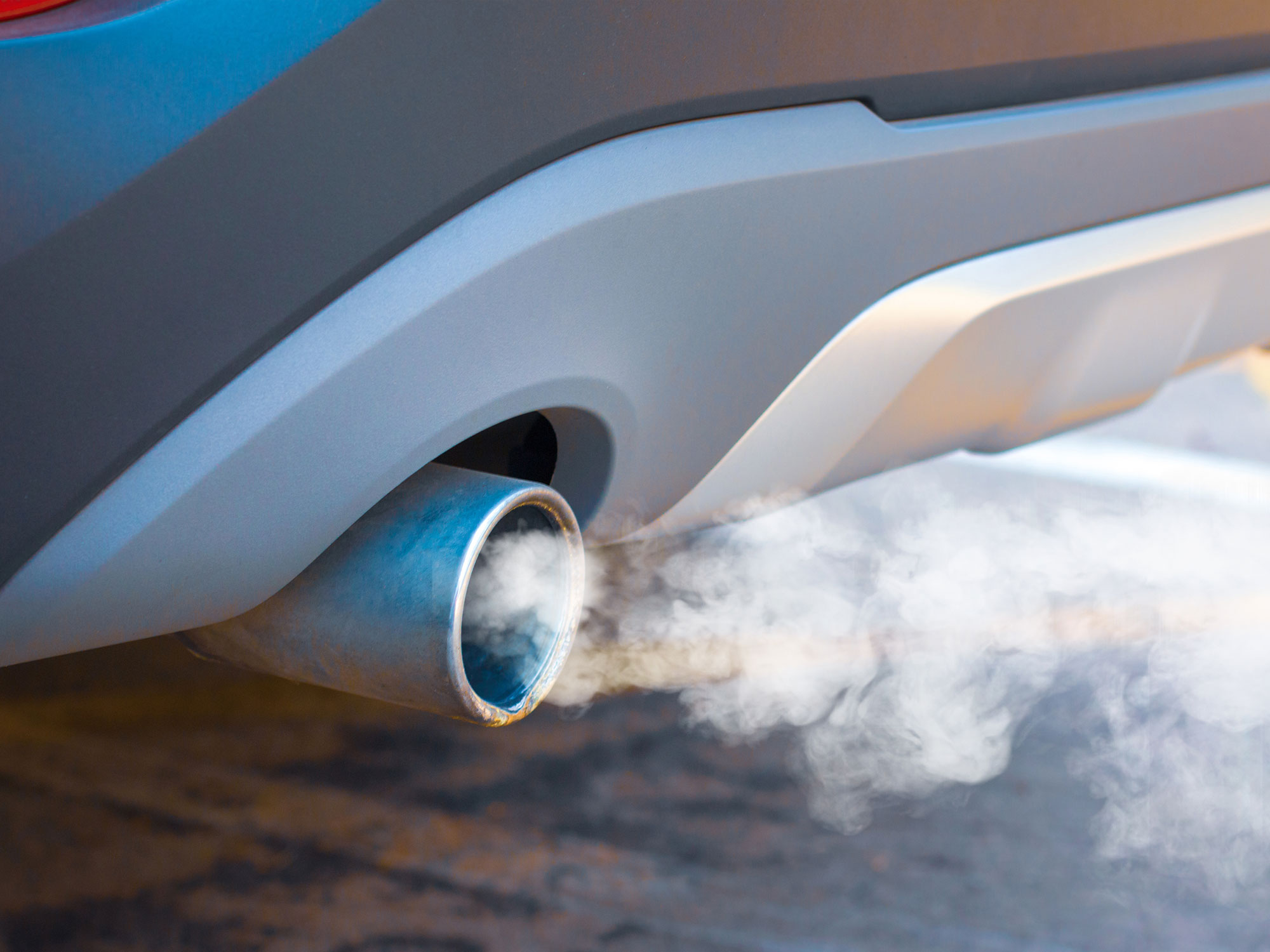
The new rules came into force on 1 October, replacing the previous £20 penalty for unnecessary engine idling, and depending on the circumstances, local authorities can now issue fines ranging from £75 to £150. The Welsh government says the change is intended to discourage drivers from leaving their vehicles running and reduce pollution, particularly in areas where large numbers of people gather.
Llyr Gruffydd, cabinet minister for rural resilience and sustainability, said the previous £20 penalty was insufficient and was not being used in the way everyone might envision it, so the increased penalty would provide a stronger deterrent, he added: "We really do feel we need to step up here, clamp down on this as a problem and make sure we protect people's health and generally it will make communities a better place to live in."
The government hopes the higher fines will change the habits of people who are polluting communities and are putting children and vulnerable people's health at risk. School entrances and surrounding roads are among the locations where unnecessary idling is a particular concern.
The Highway Code already addresses engine idling, with Rule 123 stating that drivers must not leave a parked vehicle unattended with its engine running, or leave an engine running unnecessarily while stationary on a public road. Schools, hospitals, GP surgeries and care homes have also been identified as locations where emissions can pose particular concerns.
Prof Isabel Oliver, chief medical officer for Wales, said air pollution contributes to a serious public health concern, saying: "Children, older people and those with existing health conditions are particularly vulnerable to its effects. Idling may seem like a small, everyday habit, but it adds up. Every time an engine is switched off rather than left running, we reduce the amount of harmful pollution in the air we all breathe, particularly around schools, hospitals and other places where vulnerable people spend time."